Continental fruit processing
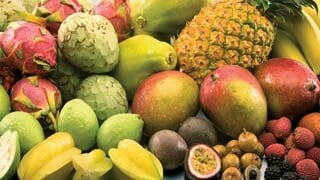
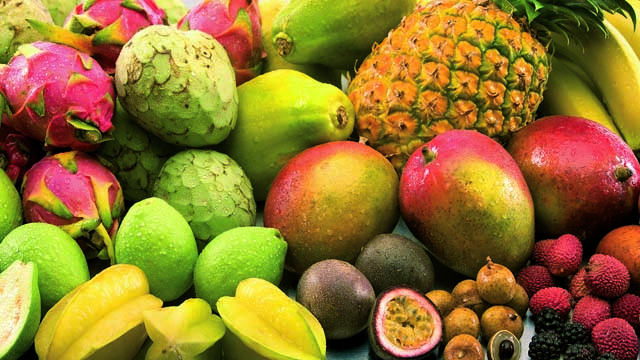
In modern fruit processing business, producers face rising demands for consistent quality, safe operations, and cost-efficient performance across global markets. As demand grows, producers working with a wide range of continental fruit varieties rely on advanced technologies to manage pulp content, enhance clarity, stabilize flavour, and maintain safety while improving yield and operational efficiency from intake to finished juice, all from tropical and temperate fruits.
Challenges and solutions in fruit processing
- Maintaining consistent quality across variable continental fruit
- Ensuring high yields while controlling operating costs
- Minimizing oxidation and thermal damage
- Achieving hygiene compliance with efficient cleaning systems
- Scaling with the right fruit processing machinery and juice processing machine setups
To compete in global markets, processors working with continental fruit require stable performance despite fluctuations in raw material quality. Modern systems enable controlled extraction, clarification, stabilization and concentration while minimizing waste and energy use. Integrated lines and advanced fruit processing machinery help producers deliver consistent continental juice profiles, meet hygiene expectations, and manage operational risks with reliable, repeatable performance.
Producers in the global juice industry operate under pressure to meet consumer expectations for flavour, freshness, and appearance while ensuring safety and efficiency at scale. Advanced fruit processing technologies combine mechanical separation, thermal treatment, and intelligent system design to streamline operations, from pulp removal to oil control to supporting both continental fruit suppliers and continental juice manufacturers. With the right juice processing machine setup, processors can achieve stable quality, reduce waste, and optimize every step from raw fruit to finished beverage
Market characteristics shaping continental fruit processing
Continental fruit processing operates in a mature, high-volume, low-margin environment, where both clear and cloudy continental juice products must meet consistent commercial standards. Because pricing pressure is constant, producers depend on stable, repeatable performance to transform varying continental fruit inputs into dependable outputs. This requires robust process control, reliable technology, and efficient workflows that reduce cost without compromising quality.
Delivering consistent quality in competitive markets
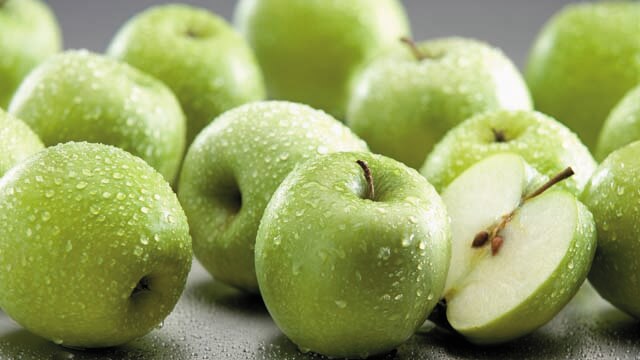
To secure strong pricing for continental juice, processors must achieve uniform quality, high yields, and fully controlled hygiene. Natural variations in apples, pears, or mixed continental fruit can affect clarity, flavour, and extraction performance. Modern systems support consistency by enabling precise, repeatable control over separation, heat treatment, and finishing steps, allowing producers to maintain predictable product characteristics under variable conditions.
Consistency counts
To get the best prices in such markets, and in the face of global competition, you have to be able to turn these continental fruits into finished products of a consistently high quality, with high yields, stringent hygiene management, and reduced processing costs.
Alfa Laval systems and know-how help you achieve consistently high-quality processing results, despite all the natural variations in the raw material.
Integrated processing solutions for continental fruit
Producers rely on integrated system designs that cover extraction, clarification, pasteurization, stabilization, and aroma recovery. This includes decanter centrifuges, heat exchangers, membrane filtration units, and specialized processing modules engineered to handle the unique behaviour of continental fruit. Ultrafiltration systems can replace older concentration equipment, improving efficiency and lowering energy demand. Tank-bottom cleaning technologies help prevent contamination and increase throughput by ensuring hygienic transitions between batches.
Enhancing efficiency, hygiene, and sustainability
Advanced processing setups focus on low energy consumption, high hygiene standards, and reliable production continuity. Completely enclosed systems minimize oxidation and preserve product quality. Additional benefits include greater juice recovery, reduced environmental impact from drier waste streams, and opportunities for extra revenue using second-grade juice derived from optimized separation performance
High-value berry processing for versatile production lines
Many types of berries, fresh or frozen, are processed into juices and concentrates, and their handling is similar to that of apples. This creates opportunities for flexible systems capable of managing both berry crops and other continental fruit using shared equipment. Producers use advanced fruit processing machinery to secure value from diverse berry varieties while maintaining colour, taste, and nutritional integrity.
Protecting colour, flavour, and nutrients through gentle processing
Berry processing must be continuous, fast, and gentle, minimizing thermal stress to protect pigments, antioxidants, and flavour compounds. Because many berry-based continental juice products sell at commodity prices, maintaining high yields and low energy consumption is essential. Systems with precise temperature control and efficient heat exchange help producers manage costs and maintain competitive performance.
Ensuring hygienic, compliant berry processing operations
Berry processing for cost-sensitive markets demands rigorous hygiene control across the entire line. Systems must comply with demanding global standards, including EU and U.S. FDA requirements. Effective cleaning, contamination control, and equipment design help operators produce safe, high-quality outputs with minimized downtime.
Stone fruit processing with focus on colour and quality retention
 Peach and apricot purés are widely used as ingredients in beverages and foods. Their commercial value depends heavily on controlling colour stability, particularly managing reddish pigments and maintaining the light colour characteristic of some peach varieties. Equipment like Foodec-type decanters helps reduce oxidation, safeguarding both colour and flavour during critical stages of the process.
Improving efficiency with advanced heat-exchange technologies
Systems such as tubular heat exchangers and scraped-surface heat exchangers boost efficiency by replacing traditional configurations, lowering operating costs while improving thermal control. These systems help producers achieve stable performance and reduce energy expenditure, supporting flexible and reliable stone-fruit operations.
Optimizing apple and pear processing within continental fruit operations
 Apple and pear processing reflects the broader realities of mature continental fruit markets, where commodity pricing requires tight process control and high hygiene management. Despite climatic, seasonal, and transport-related variations, modern setups help producers achieve consistent clarity, texture, and flavour, ensuring stable continental juice production.
Integrated systems, such as decanters, heat exchangers, membrane technologies, and extraction modules, support dependable yields and controlled quality. Enclosed lines reduce oxidation risk and support stringent hygiene goals, while efficient energy use and drier by-products improve environmental and operational performance.
Expanding opportunities in pomegranate processing
Pomegranate is gaining commercial traction due to its health-associated properties and antioxidant richness. Demand for pomegranate juice continues to exceed supply, driving interest in processing technologies that support high-value extraction and integration into multi-fruit blends.
Maintaining colour integrity for strong consumer appeal
To align processed juice with consumer perceptions of fresh pomegranate, maintaining vibrant red colour is critical. Effective heat management and oxidation-control systems prevent browning, allowing processors to deliver attractive, high-quality juice that reflects the fruit’s natural appearance.
Gentle handling to preserve high-value characteristics
Pomegranate processing benefits from speed, consistency, and gentle treatment to preserve key sensory and nutritional attributes. With well-designed extraction and stabilization systems, producers can maximize the commercial value of their raw materials while ensuring stable, high-quality outcomes.